
The 20/20 Rule: The Ultimate Cure for “Just in Case” Clutter

Affiliate disclaimer: Some links on this blog are affiliate links (Amazon included), meaning I may earn a commission at no extra cost to you.
We’ve all been there. You’re holding a half-broken kitchen gadget, a spare power cord, or a specific type of screwdriver, and you think, “I should keep this… just in case.”
That “just in case” mindset is the #1 enemy of a clean home. It turns our closets into museums of “maybe” and our drawers into graveyards of “possibly.” If you struggle with the guilt of letting go of perfectly functional (but currently useless) items, you need the 20/20 Rule.
What is the 20/20 rule?
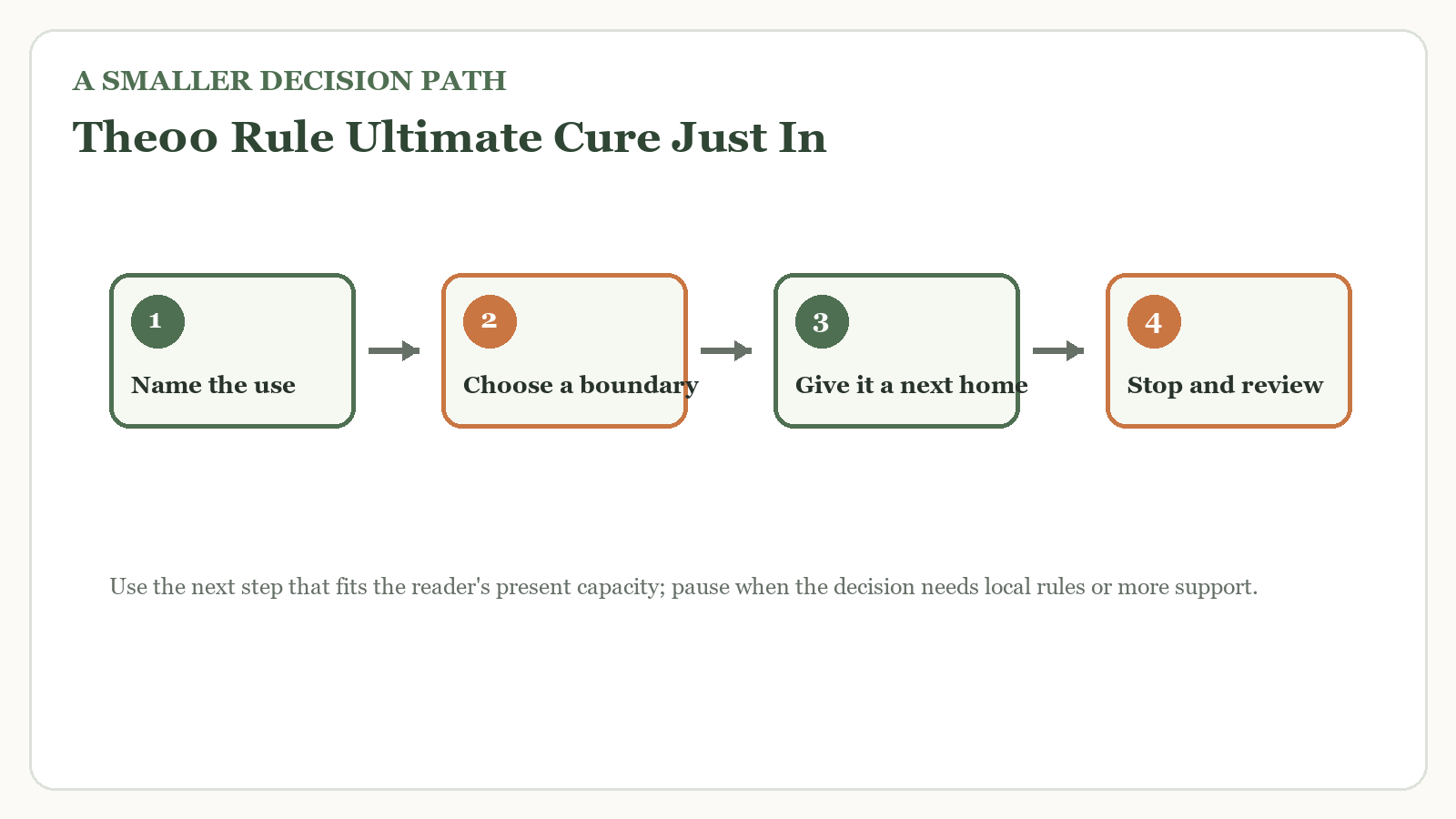
The Minimalists developed the 20/20 Rule, a simple mental filter. This enables you to swiftly decide on essential items. It specifies that you can safely release an item if:
- It costs less than $20 to replace.
- It can be replaced in less than 20 minutes from your current location.
Why It Works: The Cost of “Mental Rent”
Every object in your home “charges rent” in the form of physical space, cleaning time, and mental energy. When you keep a $5 item “just in case,” you are essentially paying more in “rent” (stress and clutter) over the years than the item is actually worth.
The 20/20 Rule provides you permission to let go. It reminds you that the world is your warehouse. If you truly end up needing that item three years from now, just get rid of it. You can solve the problem for the cost of a fast-food meal and a quick trip to the store.
When to Apply the 20/20 Rule
This rule is most effective for “utility” items—things that serve a function rather than an emotional purpose.
- The Kitchen: That avocado slicer you used once in 2019? Let it go.
- The Toolbox: Three identical measuring tapes and a jar of miscellaneous screws? Let them go.
- The Junk Drawer: Extra buttons from shirts you no longer own or cheap plastic ponchos from a theme park? Let them go.
- Office Supplies: Should I discard the stack of 500 paper clips or the three extra staplers? Let them go.
“What if I regretted it?” Safety Net
In the years since this rule became popular, thousands of people have put it to the test. The overwhelming consensus? The “just in case” scenario almost never happens. Most people find they rarely (if ever) have to replace the items they tossed. In the rare event that they do need to replace the items, spending $20 is a small cost for the months or years of reclaimed space and peace of mind.

How to Start Today
| Step | Action |
| 1. Spot the “Maybe” | Find an item you haven’t used in a year but feel “guilty” about tossing. |
| 2. Run the Math | Is it under $20? Is there a store nearby (or a website) that has it? |
| 3. The Release | Donate it. Feel the immediate lightness of having one less thing to manage. |
Final Thought
Your home is a space for living, not a storage unit for hypotheticals. By applying the 20/20 Rule, you stop being a curator of “what if” and start being the boss of your environment.
Here’s my take: The 20-20 rule works because it forces you to weigh the cost of keeping vs. replacing. Do the math.

[…] 20/20 Rule: If you can replace an item for less than $20 in less than 20 minutes from your current location, let it go. This cures the “I might need this someday” […]
[…] you can replace it for less than $20 in less than 20 minutes, let it go. Your space holds greater value than an item that you might need in the […]